


Mouth ulcer: should you see a doctor or a dentist?
Most mouth ulcers heal on their own within 1 to 2 weeks. Healthdirect advises seeing your doctor if an ulcer lasts longer than 2 weeks, keeps coming back, is very painful, or comes with other symptoms such as fever or weight loss. A dentist can also look at an ulcer, and is often the right first step when something in your mouth, such as a sharp tooth, a filling or a denture, may be rubbing.
This guide explains how to choose who to see and what to mention. It is general information, not a diagnosis. Only an examination can tell you what is causing an ulcer. Our page on canker sores and mouth ulcers describes how we assess them at Genesis Dental in Canning Vale.
What does a typical mouth ulcer look like?
Healthdirect describes mouth ulcers as shallow sores with a white or grey top that are often red around the outside. Most are smaller than 5 millimetres across, and they can appear alone or in groups. Common places include inside the lips and cheeks, on the floor of the mouth, on the gums and on the tongue. Eating, drinking, talking or brushing can make the pain worse.
Healthdirect notes that the exact cause is not known, but several things can make ulcers more likely:
- stress, anxiety or hormonal changes
- injury or damage to the mouth, such as from dentures or braces
- reactions to certain foods
- some diseases, such as coeliac disease
- some medicines and medical treatments
- iron or vitamin B deficiency
When should I see my doctor?
Healthdirect advises seeing your doctor if a mouth ulcer lasts longer than 2 weeks or keeps coming back, because this may be a sign of a more serious problem. It also advises seeing your doctor if you have an ulcer together with other symptoms, such as:
- weight loss or stomach pain
- a fever of 38°C or higher
- mucus or blood in your stool
- changes in the skin in your mouth
- changes in your mouth that you are worried about
Some of these point to general health questions, such as diet, bowel symptoms or a possible deficiency, which your doctor is best placed to investigate.
When is a dentist a good first step?
Healthdirect says a doctor or a dentist can usually diagnose a mouth ulcer by looking at it. A dental visit makes sense when the ulcer sits next to something that could be rubbing, such as a broken or sharp tooth, a rough filling, braces, or a denture that no longer fits well. Healthdirect lists well-fitting braces and dentures as one way to lower the chance of ulcers.
Our general check-up page explains that routine visits include checking fillings and whether dentures fit properly, and looking for early signs of oral cancer. If an ulcer is very painful and makes eating or speaking difficult, our emergency dental page explains how to contact us, including outside normal hours.
Why does an ulcer that won't heal need checking?
Healthdirect lists a mouth ulcer that doesn't heal among the possible symptoms of mouth cancer, along with red or white patches, a lump in the mouth or neck, and bleeding or numbness. It also says these symptoms can be caused by other conditions, so having them does not always mean cancer.
Healthdirect's advice is to see your doctor or dentist if you notice any changes in your mouth, or if you are unsure whether something is normal. It adds that your dentist is likely to be the first person to notice signs of mouth cancer, which is one reason regular check-ups matter.
What can I do while it heals?
Healthdirect suggests these self-care steps:
- Try not to touch the ulcer, and if you need to touch it, wash your hands first and afterwards.
- Clean your teeth with a soft toothbrush. If brushing is too painful, use a mouthwash without alcohol instead.
- Rinse with salt water, using one teaspoon of salt in a cup of water, a few times a day.
- Eat soft foods and avoid hot or spicy foods and hot drinks.
- If your mouth is very sore, try drinking through a straw.
An anaesthetic mouth gel from a pharmacy can numb the pain, but healthdirect notes that it will not heal the ulcer. Ask your doctor or pharmacist about other pain relief, and check with your doctor before taking any supplement.
What should I tell the dentist or doctor?
Healthdirect says your doctor or dentist may ask about your symptoms, diet, medical history, regular medicines and any injury that could have caused the ulcer. A few notes help:
- When the ulcer appeared and whether it has changed in size.
- Whether you have had ulcers before, and how often.
- Anything that may have rubbed or injured the area, such as a sharp tooth, braces, a denture or biting your cheek.
- The medicines you take and any health conditions.
- Any other symptoms, such as fever, weight loss or bowel changes.
To arrange an assessment, contact Genesis Dental on (08) 9455 5636 or request an appointment. Serene Ong, Principal Dentist, is part of the practice's listed clinical team. This article does not promise appointment availability.
Sources
Sources checked on 16 November 2026. General patient information only, not a diagnosis or an individual treatment plan.
- Healthdirect Australia: Mouth sores and ulcers (canker sores), last reviewed February 2026; appearance, causes, when to see a doctor, diagnosis, self-care and prevention.
- Healthdirect Australia: Mouth cancer, last reviewed October 2025; non-healing ulcer as a possible symptom and when to see a doctor or dentist.
- Genesis Dental: canker sores, general check-up, emergency dentist, team and contact pages linked above; checked for current practice facts.
Book an appointment at Genesis Dental Canning Vale or call (08) 9455 5636.

How Can You Tell If You Need a Root Canal?
A root canal is a common dental procedure used to save an infected tooth and relieve tooth pain. Mod
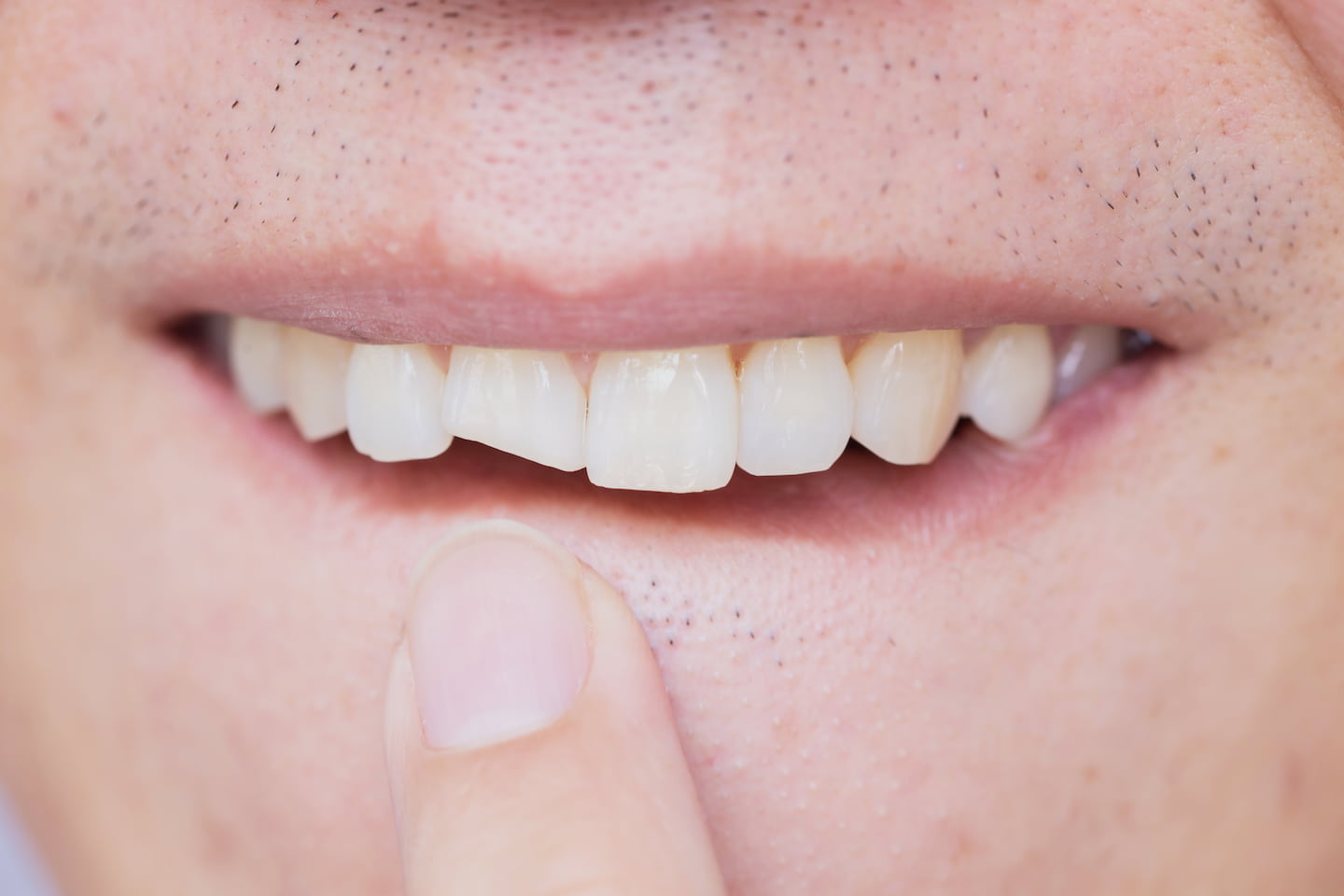
Why Are My Teeth Cracking All of a Sudden? What Causes Cracked Teeth?
The most common reasons for cracked teeth include trauma, bruxism, ageing, dietary factors, and weak
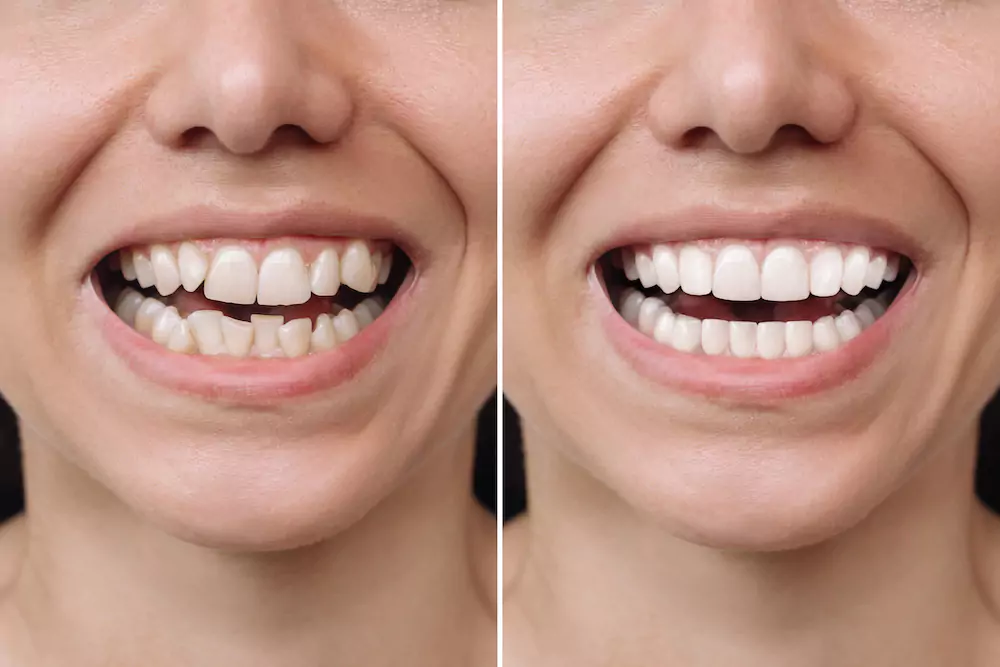
Are Veneers Worth It? Everything You Need to Know
“Are veneers worth it?”, will depend on your cosmetic goals, dental health, and dentists’ r